
The first three weeks of November 2026 brought a decisive turn in the fight for Aurora Cannabis, a clear ballot win for the legal market in Massachusetts and the end of written arguments in the federal rescheduling case. The first phase of the federal hemp restrictions took effect mid-month. Share prices stayed weak: by mid-November, Tilray had hit a record low and the main US cannabis ETF was down for the year.
Organigram agrees to buy Aurora, outbidding Curaleaf
On November 3, Organigram announced an agreement to acquire Aurora Cannabis for C$7.80 per share, valuing Aurora at about C$561 million on a fully diluted basis. Aurora shareholders can choose C$7.80 in cash, 5.8626 Organigram shares, or C$3.75 in cash plus 3.0431 Organigram shares, subject to proration. The price is a 93% premium to Aurora’s close on August 10, the last trading day before Curaleaf announced its hostile bid. Investing.com reported that the price was also 21% above the value of Curaleaf’s offer at the time.
British American Tobacco’s subsidiary BT DE Investments agreed to buy 141.0 million Organigram shares at C$1.33 each, for gross proceeds of C$187.5 million, to help fund the deal. ATB Financial committed a larger senior secured credit facility. Both boards approved the transaction unanimously, and Aurora’s board unanimously rejected Curaleaf’s offer. Shareholder meetings are expected in December, with closing targeted for January 2027, subject to court and regulatory approvals. After closing, Aurora holders would own about 35% of the combined company’s economic interest.
Massachusetts voters reject repeal
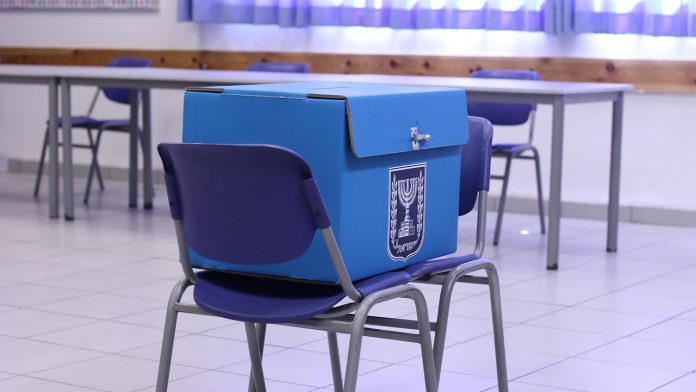
Also on November 3, Massachusetts voters defeated Question 8, which would have repealed the laws allowing licensed commercial adult-use sales and home cultivation. Medical marijuana and legal possession would have stayed in place. With about 80% of ballots counted, the measure trailed 24% yes to 76% no, according to Associated Press figures cited by Marijuana Moment. Licensed adult-use retailers and their suppliers in the state therefore keep operating under current law.
Green Thumb: lower taxes, first DEA registrations
Green Thumb Industries reported third-quarter results on November 4. Revenue rose 11.3% to $324.4 million and normalized EBITDA climbed to $89.4 million, or 27.6% of revenue. The company posted a GAAP net loss of $4.8 million, compared with net income of $23.3 million a year earlier, which it attributed mainly to a one-time intellectual property sale gain in the prior-year quarter. Income tax expense fell to $28.1 million from $49.1 million, primarily because of the Justice Department’s order moving state-legal medical cannabis to Schedule III.
Green Thumb also said some of its state medical licenses had received DEA registrations in the initial round of issuance. It noted that further action on scheduling and taxation is still pending. It ended the quarter with $316.0 million in cash and said it had repurchased more than $80 million of stock so far in 2026.
Rescheduling: final briefs filed
The DEA case on moving all marijuana to Schedule III cleared another procedural step. The Marijuana Herald reported that the DEA and the opponents filed final reply briefs on November 5 on the Government Accountability Office report admitted in October. The DEA asked Chief Administrative Law Judge Derek Julius to give the report no weight. Opponents argued it exposed weaknesses in how the government evaluated marijuana’s medical use, and asked the judge to recommend rejecting the proposal. With briefing complete, the temporary stay lapsed and the judge can prepare his non-binding recommendation to DEA Administrator Terrance Cole. No deadline has been set.
Hemp ban: phase one takes effect
On November 12, the first part of the federal hemp redefinition took effect. Products containing cannabinoids that the cannabis plant cannot naturally produce, with THC-O as the clearest example, are no longer federal hemp, according to an analysis by The Church Law Firm. The broader changes take effect December 11, including a move to a total-THC standard and a cap of 0.4 mg of THC per container for finished products. The firm noted that, as of late October, the FDA had not published the cannabinoid lists the law calls for.
Share prices: Tilray at a record low
Sector sentiment stayed poor. Invezz reported on November 17 that Tilray shares had fallen to a record low of $2.34, down 74% year to date. The same report put the AdvisorShares Pure US Cannabis ETF (MSOS) down 23% for the year, and said Curaleaf and Green Thumb had also fallen by double digits. It linked the weakness to the slow pace of adult-use rescheduling and Tilray’s shrinking cannabis revenue.
What to watch next
The December 11 deadline is the next big date, both for the broader hemp restrictions and for the stopgap government funding that set it. Watch for Judge Julius’s recommendation in the rescheduling case, the expiry of Curaleaf’s Aurora bid on December 4, and the December shareholder votes on the Organigram–Aurora deal.
This roundup is for general information only and is not investment advice. Do your own research before investing.
Sources
- Organigram to acquire Aurora Cannabis for C$561 million — Investing.com, 2026-11-03
- Massachusetts Voters Decide To Keep Marijuana Sales Legal, Rejecting Ballot Measure Bring Back Criminalization — Marijuana Moment, 2026-11-03
- Green Thumb Industries Reports Third Quarter 2026 Results — Green Thumb Industries (SEC Form 8-K exhibit), 2026-11-04
- DEA and Rescheduling Opponents File Final Reply Briefs, Clearing Way for Judge’s Recommendation — The Marijuana Herald, 2026-11-06
- The Federal Hemp Ban Begins: Prohibition on THC-O Products Goes Into Effect, Broader Ban Starts on December 11 — The Church Law Firm, 2026-11-15
- Tilray Brands stock has crashed to a record low: is this fallen angel a buy? — Invezz (via TradingView), 2026-11-17
- House Passes Resolution Delaying Most Federal Hemp-Definition Restrictions by One Month — Fox Rothschild LLP, 2026-09-02
- Curaleaf Increases Takeover Offer for Aurora Cannabis to US$5 per Share — StratCann, 2026-10-05
Featured image: OrnaW / Pixabay